Hair transplant repair in Antalya
Unhappy with a previous transplant? A repair can correct an unnatural hairline, poor growth or visible scarring, planned around the donor hair you have left.
Written quotePriced in writing after a photo assessment
No deposit to start. Written plan before you fly.
Hair transplant repair at a glance
- Price
- Written quoteSet after your doctor reviews your photos and donor area.
- When
- After 12 monthsWait until your first result has fully grown in.
- Technique
- FUE or DHIRe-placing grafts and adding density.
- Key limit
- Donor hairIt is finite: every procedure uses some.
- Back to normal
- 1 to 2 weeksDepends on how much is corrected.
- Growth
- Several monthsNew hair grows in gradually, as after a first transplant.
What is hair transplant repair?
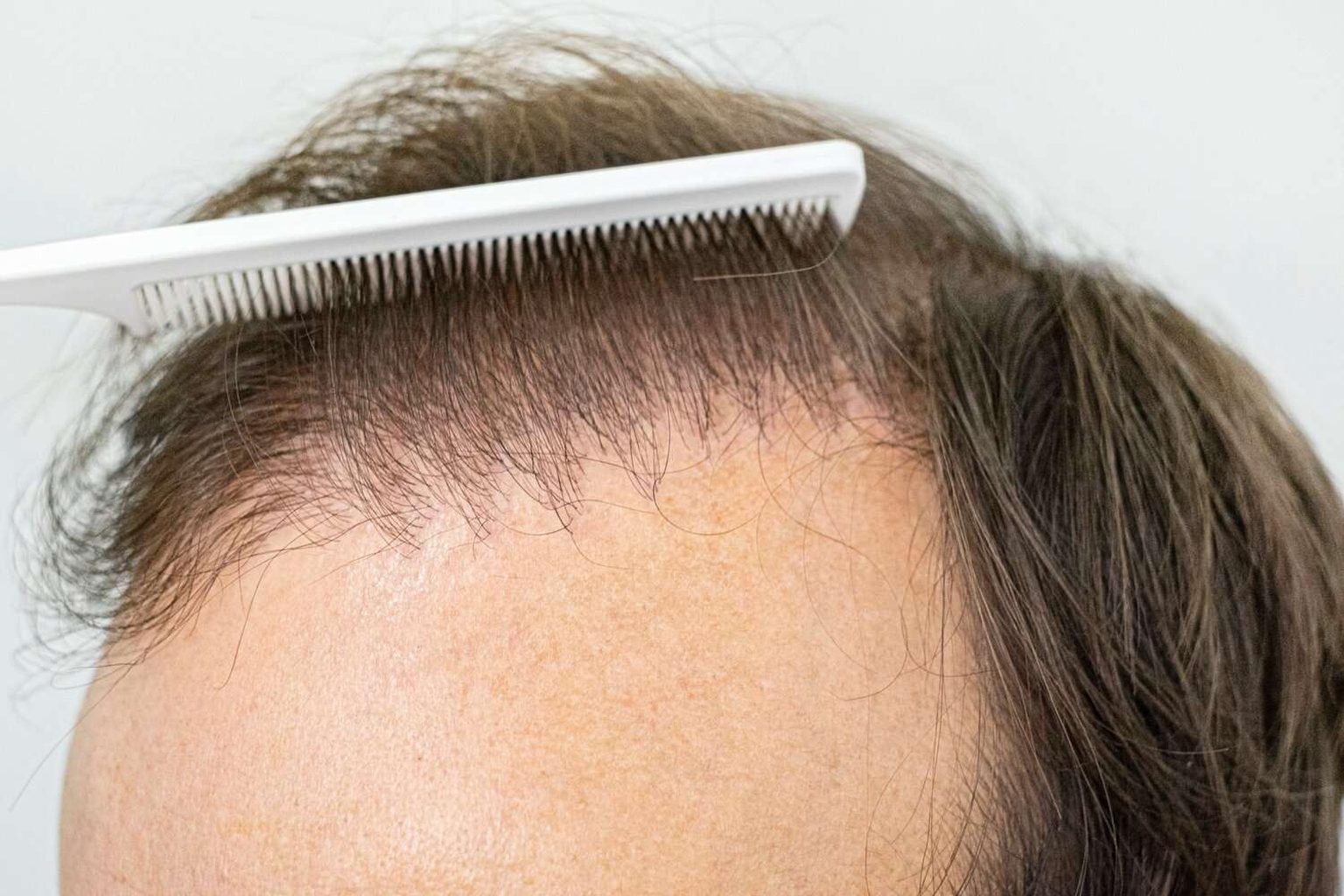
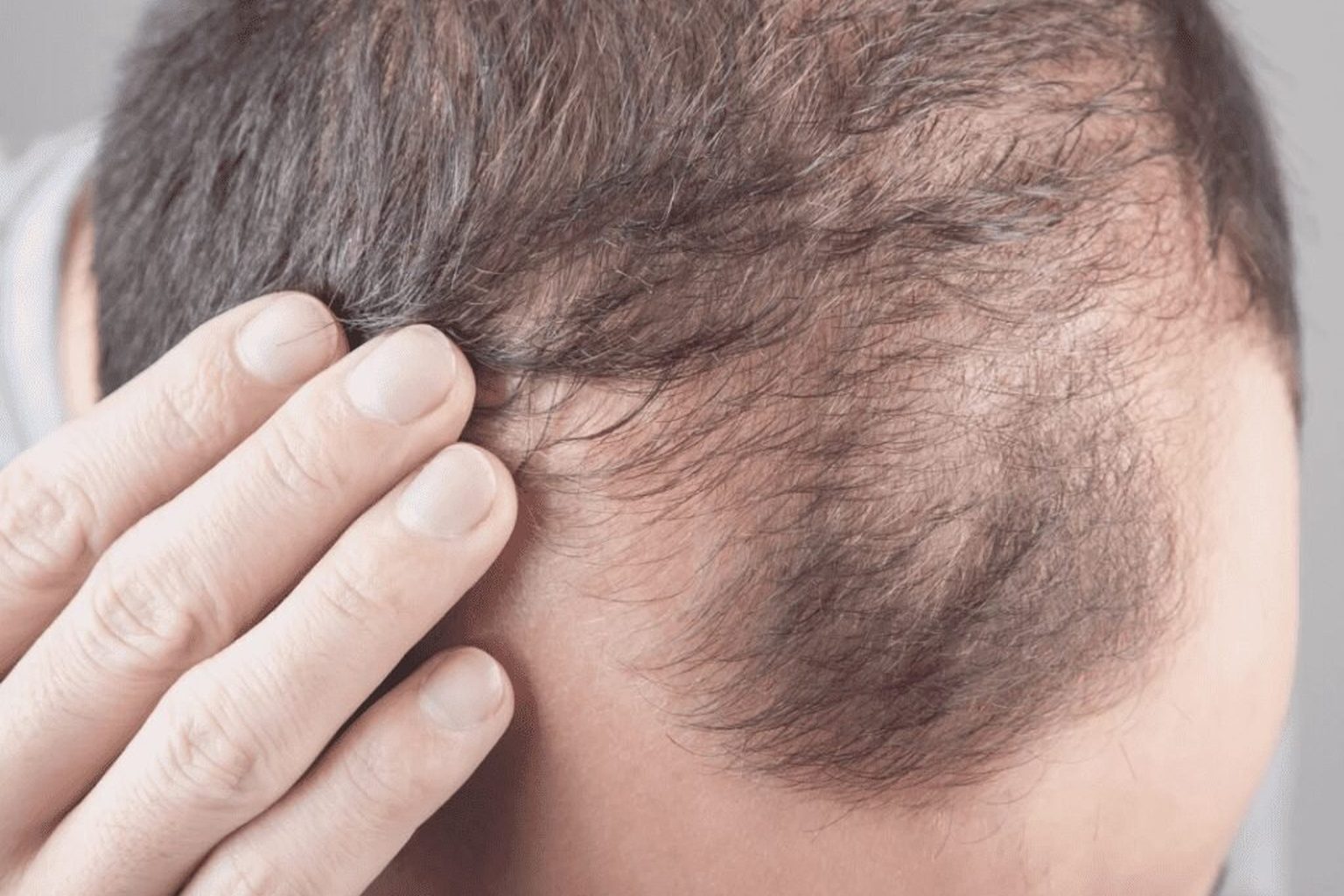
Hair transplant repair, also called correction or revision surgery, fixes the result of a previous transplant that has not turned out as expected: an unnatural or pluggy hairline, hairs growing at the wrong angle, thin or patchy growth, visible scarring or an over-harvested donor area.
Depending on the problem, poorly placed grafts may be removed and re-implanted at the right angle, new grafts added for density, or grafts placed into scar tissue. A repair is more demanding than a first transplant because donor hair is limited, so the plan starts with an honest look at what your donor area can still give.
How it works, step by step.
Photo review
You send photos and your treatment history. Your doctor tells you plainly what is realistic.
Assessment
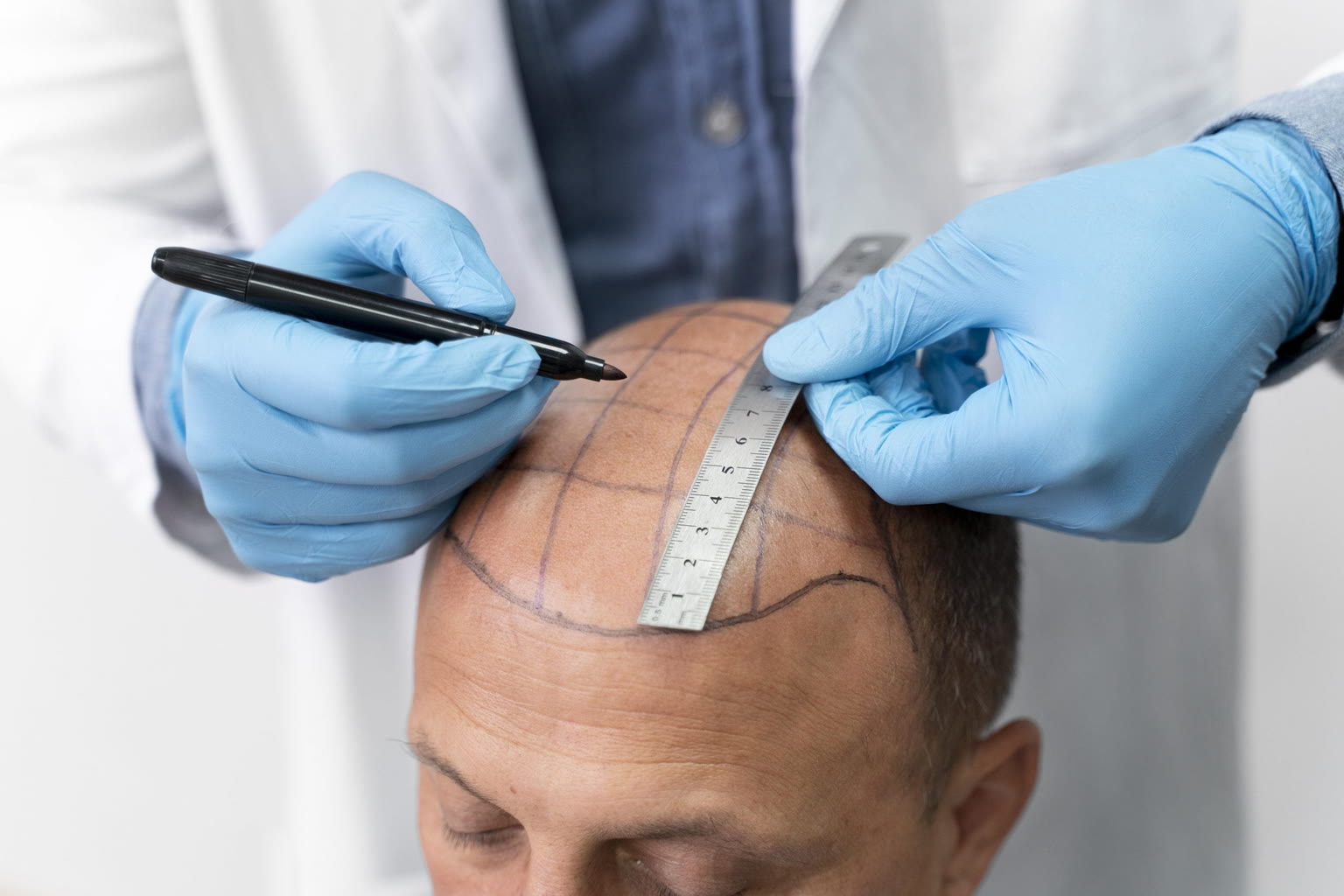
Your doctor checks the hairline, the angle of the hairs, any scarring and your remaining donor supply.
Repair plan
You agree what will be corrected and in what order. Some repairs are done in two stages.
Local anaesthesia
The donor and recipient areas are numbed.
Correction
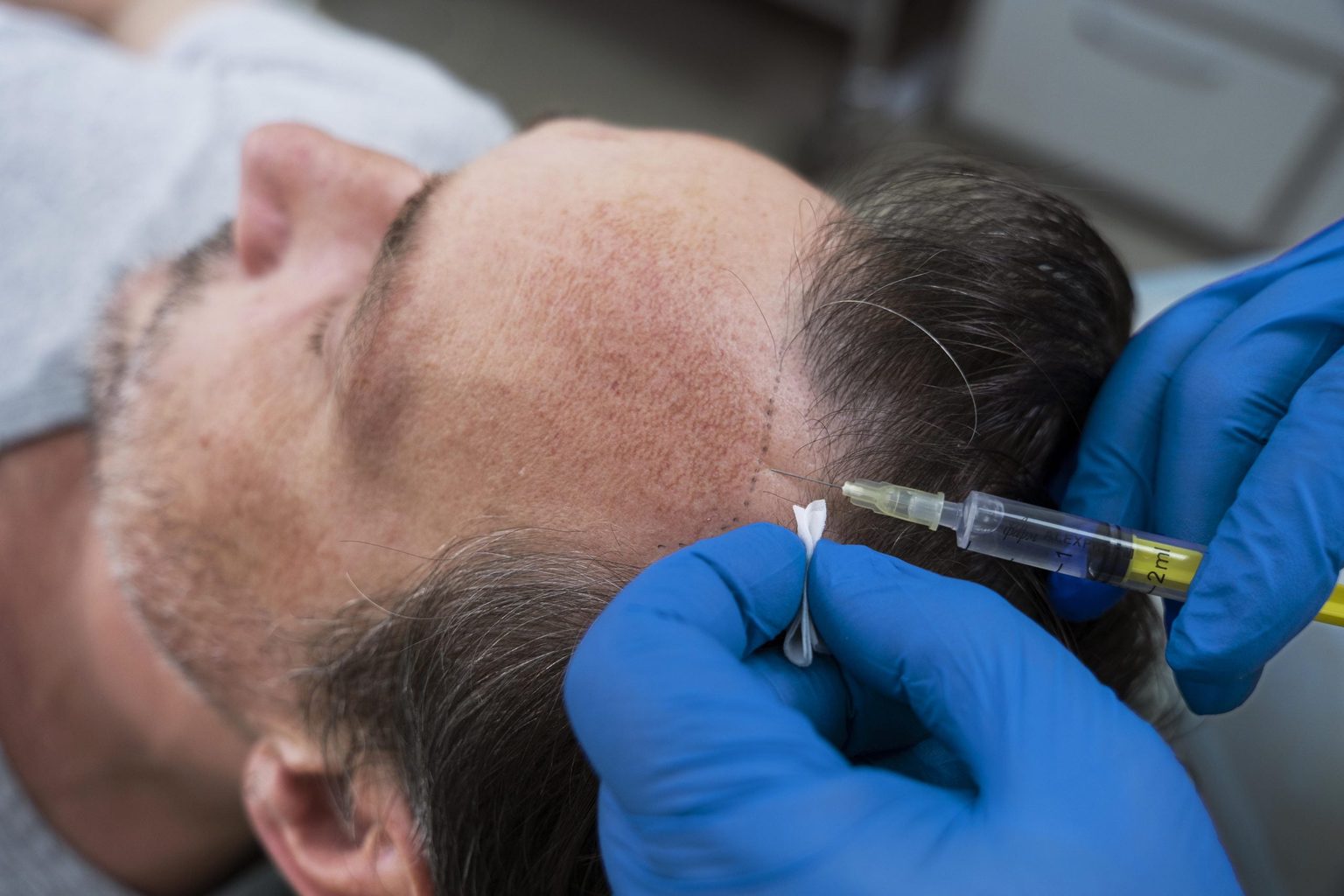
Grafts are removed and re-placed, or added, at the correct angle and density with FUE or DHI.
Is it right for you?
Your doctor confirms suitability from your photos and history. As a guide:
Usually a good fit
- An unnatural or pluggy hairline
- Hairs growing at the wrong angle or direction
- Thin or patchy growth 12 months or more after your transplant
- Visible FUE or FUT scarring
- Enough donor hair left at the back and sides
Check first
- Less than 12 months since your transplant: patchy growth can still be normal healing
- A severely depleted donor area: surgical options are limited
- Persistent redness, swelling, pus, pain or fever: see a doctor promptly, as this can mean infection
Hair transplant repair price in Antalya. A written quote for you.
There is no set price: it depends on what your doctor finds in your photos. You receive a written quote before you book, with no deposit.
Recovery and results.
What to expect after your procedure. Individual results vary.
- First 2 weeks
Scabbing and redness
Scabs, redness and shedding of the transplanted hair are normal.
- Weeks 1 to 2
Back to normal
Most people return to normal activities, depending on how much was corrected.
- Months 1 to 4
Resting phase
Little visible growth is normal while the grafts rest.
- Months 4 to 8
Early growth
Growth can look patchy and uneven at first. This is still normal.
- From month 12
Final assessment
The full result is in and can be judged.
Hair transplant repair: your questions, answered.
Last updated . Medically reviewed by
How much does hair transplant repair cost in Turkey?
There is no fixed price, because it depends on what needs correcting and how much donor hair you have left. Send photos and your treatment history on WhatsApp and you receive a written plan and price, with no deposit.
How do I know if my hair transplant has failed?
The clearest signs after 12 months are very thin or no growth, an unnatural or pluggy hairline, and visible scarring or an over-harvested donor area. Before 12 months, patchy growth is usually normal healing.
How long should I wait before a repair?
At least 12 months after the original procedure. The scalp needs to heal fully and the final result needs to be visible; operating too early can make revision grafts fail and waste donor hair.
Can a bad hair transplant be fixed?
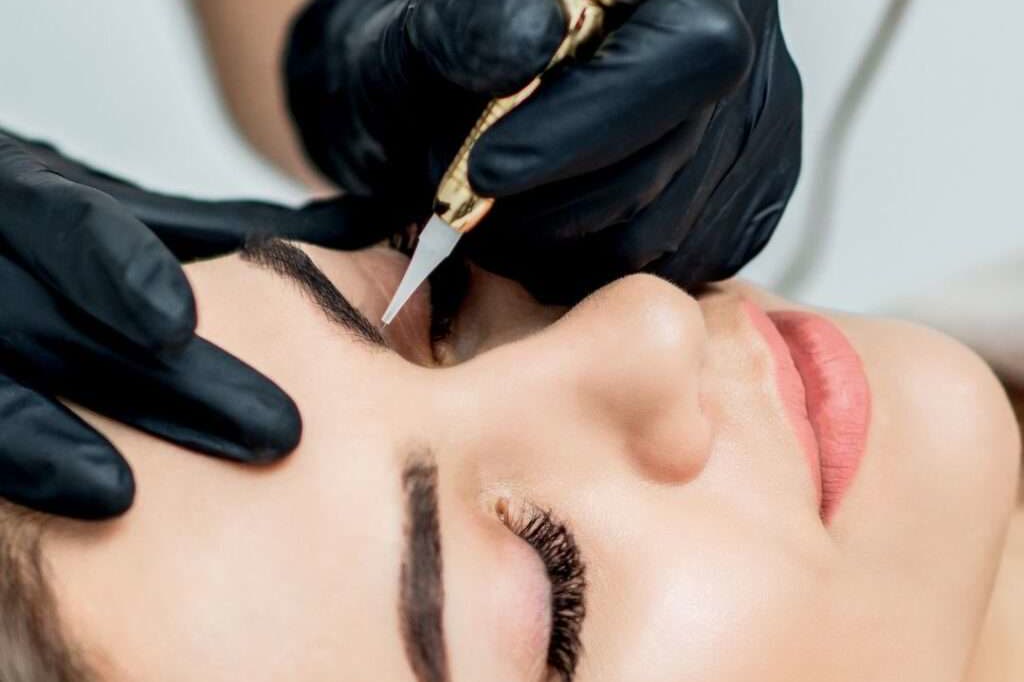
Most can. Options include revision FUE, scar revision, scalp micropigmentation and body hair transplant, often combined. The main limit is how much donor hair remains.
What if my donor area is depleted?
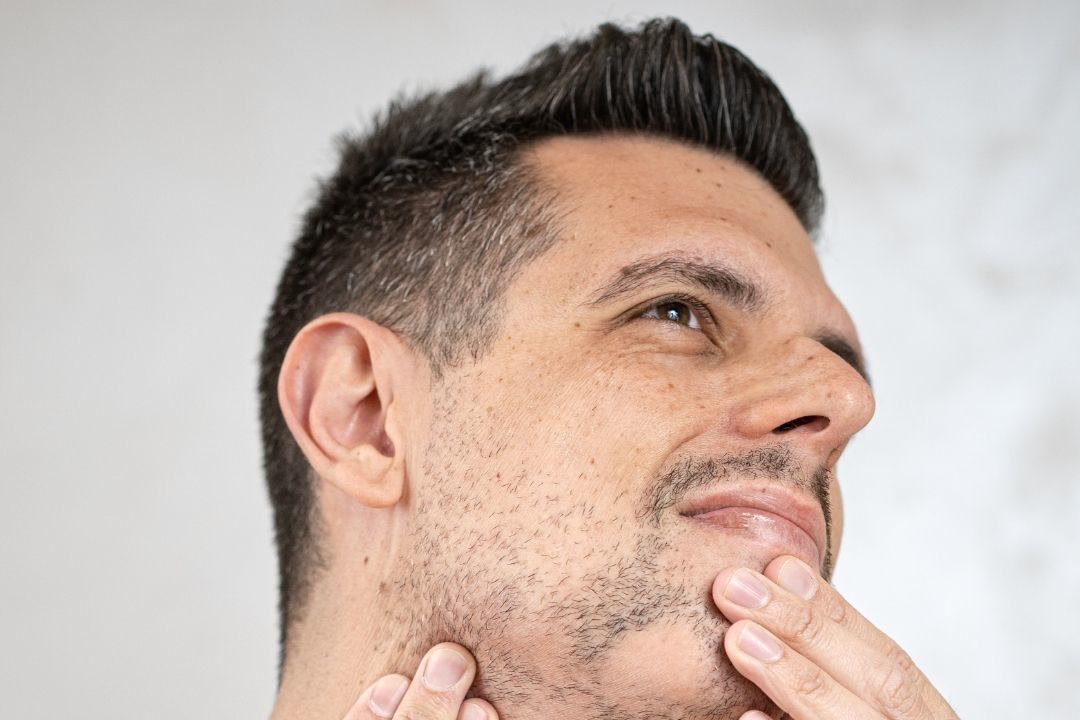
Surgical options are reduced. In suitable patients, beard or body hair can supplement the scalp donor, and scalp micropigmentation can create the look of density without surgery.
How long is the recovery after a repair?
It depends on how much is corrected. Most people return to normal activities within one to two weeks; new hair grows in over several months.
Should I go back to my original clinic?
Check your contract first: many clinics offer a revision rather than a refund. If the original clinic is unresponsive, an independent assessment is often the better path.
Other treatments.
Get your personal plan and price.
Send a few photos on WhatsApp. Your doctor reviews them and you receive a written plan and price, with no deposit.